
Kittelfdora is a forest between the stars.What we set out to build is a friend a child can find wherever they go.
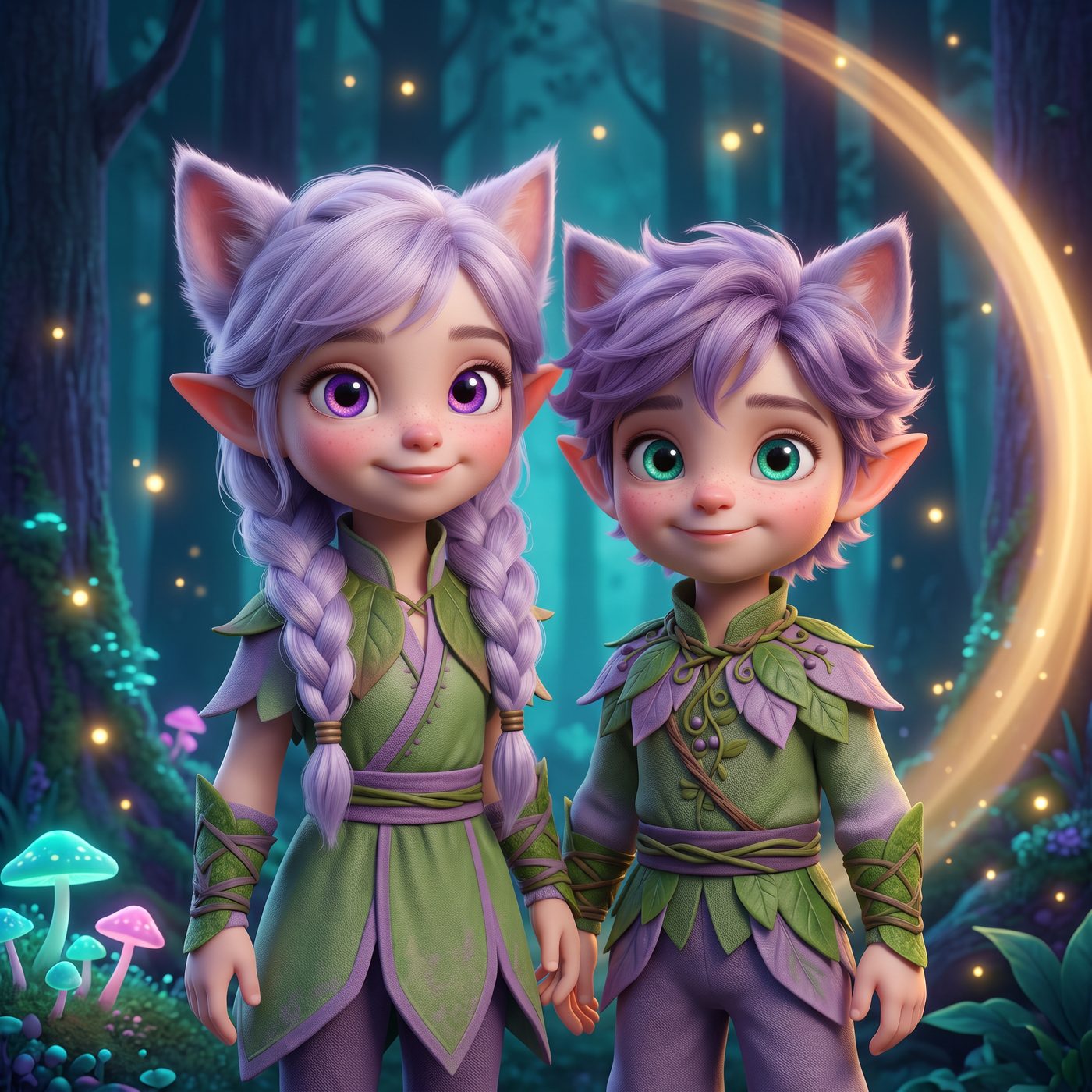
It’s for children roughly 4 to 9, and it shows up in the car, at bedtime, on a rainy afternoon. Same friends every time. Ori still jumps in the puddle.
We want a child to grow up on stories where someone notices how another feels and says so, a friendship gets mended, and there’s room for a brook and a firefly. Nothing stops to teach it. A character trips over it first.
We think children’s screens are loud. We built a quiet one, kept safe by leaving things out: no comments anywhere, nobody outside can message your child.
We want to be useful to you too: long reads in The Lantern Post, pages that print for a whole class, and an inbox a real person reads.
Where Kittelfdora lives
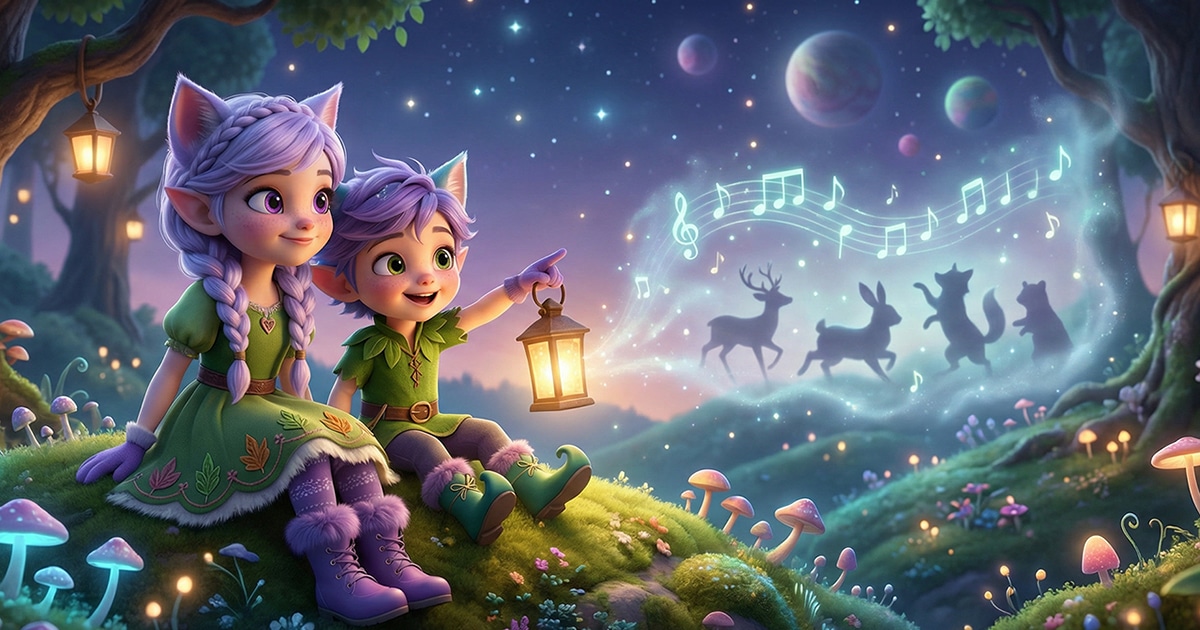
Videos on YouTube
More than sixty animated videos live on the channel, and the video library here sorts them into four rooms: songs to move to, classical music, music for sleep, and stories.
Open the YouTube channel →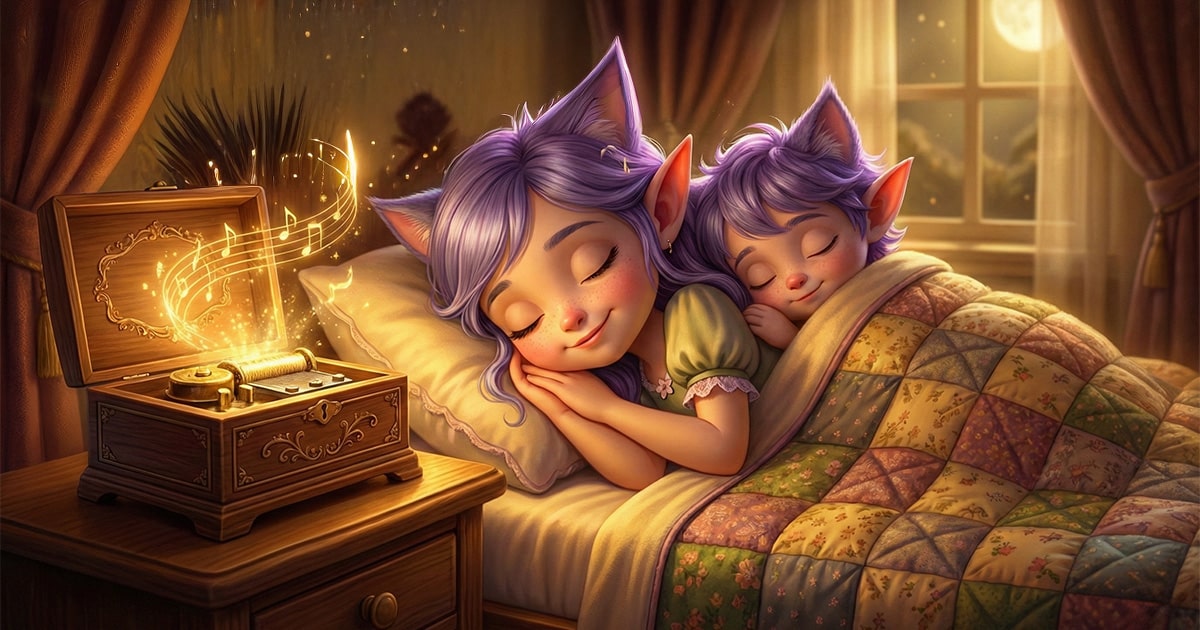
Music wherever you listen
Eight albums are out on Spotify, Apple Music, and the other streaming services. In the car, in the kitchen, at bedtime, the songs go where a screen doesn’t have to.
Listen on Spotify →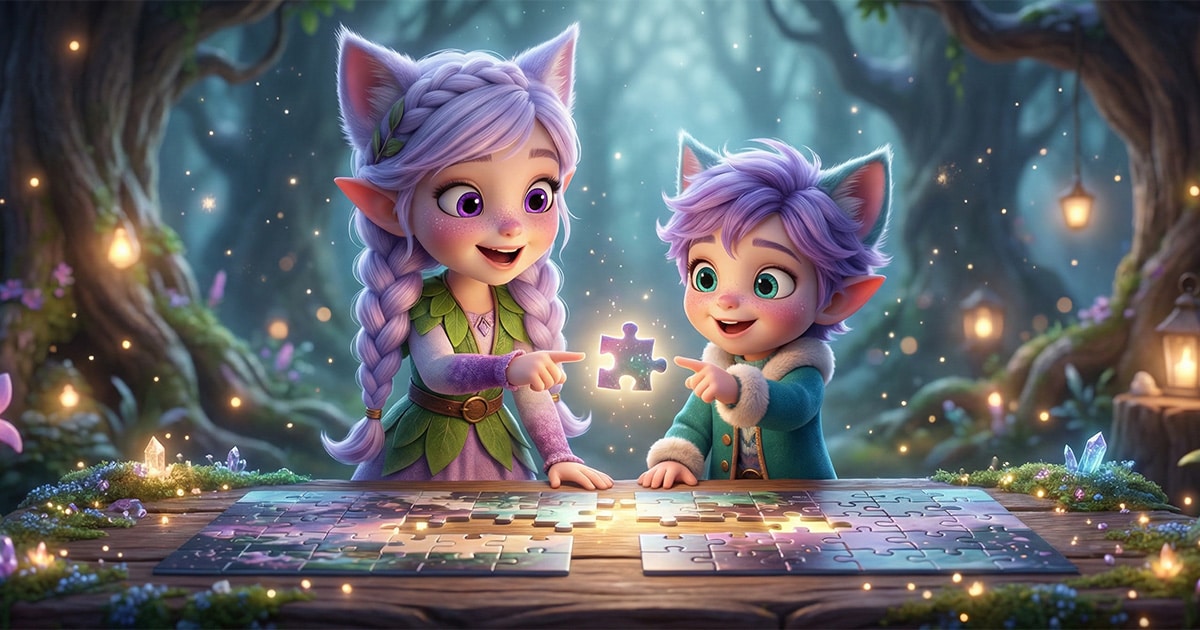
Games and storybooks
Eight places to play in the Magic Playroom: jigsaws, memory, word games, mazes, quests, music, coloring, and the Garden of Feelings. Three storybooks in the Forest Library, read aloud by a narrator.
Open the Magic Playroom →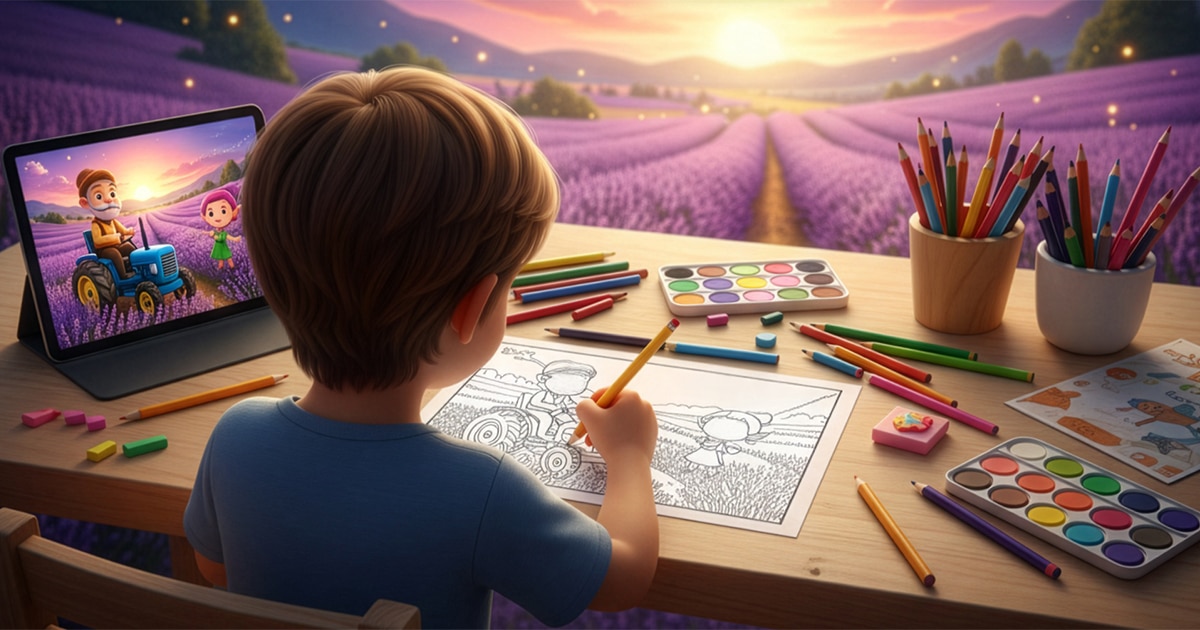
Print at home
Seven printable sets sit at the bottom of the coloring page, free to print on plain paper. This is the part that happens at the table, in pencil and paint.
Open the print-at-home pages →
The YouTube and Spotify links open on other companies’ sites, where their own rules and privacy policy apply.
How it’s made
No villains, ever
There is no villain in any Kittelfdora story. What goes wrong is a feeling, or the weather, or a plan that falls over, never a person to beat, and a solution is always within reach by the end.
Nothing moves on its own
The digital world is loud. So here, nothing counts down, nothing starts the next thing by itself, nothing is built to startle, and a child can stop in the middle of anything.
Lessons stay in the story
Nobody gets lectured. A lesson is something a character finds on the way, and a mistake is the good part: the mazes have no losing path, and the hangman has no gallows, just a firefly that wakes up on the next word.
What each game actually is
The rhyme game is listening for sounds. Spelling is letter play, the mazes are pretend play, the Garden of Feelings is naming a feeling, and the jigsaw is work for small fingers. We don’t claim more than that.
What we mean by safe is written out item by item on the About page. Both doors are just below: that one, and The Lantern Post, where the longer thinking goes.
About Kittelfdora Kids
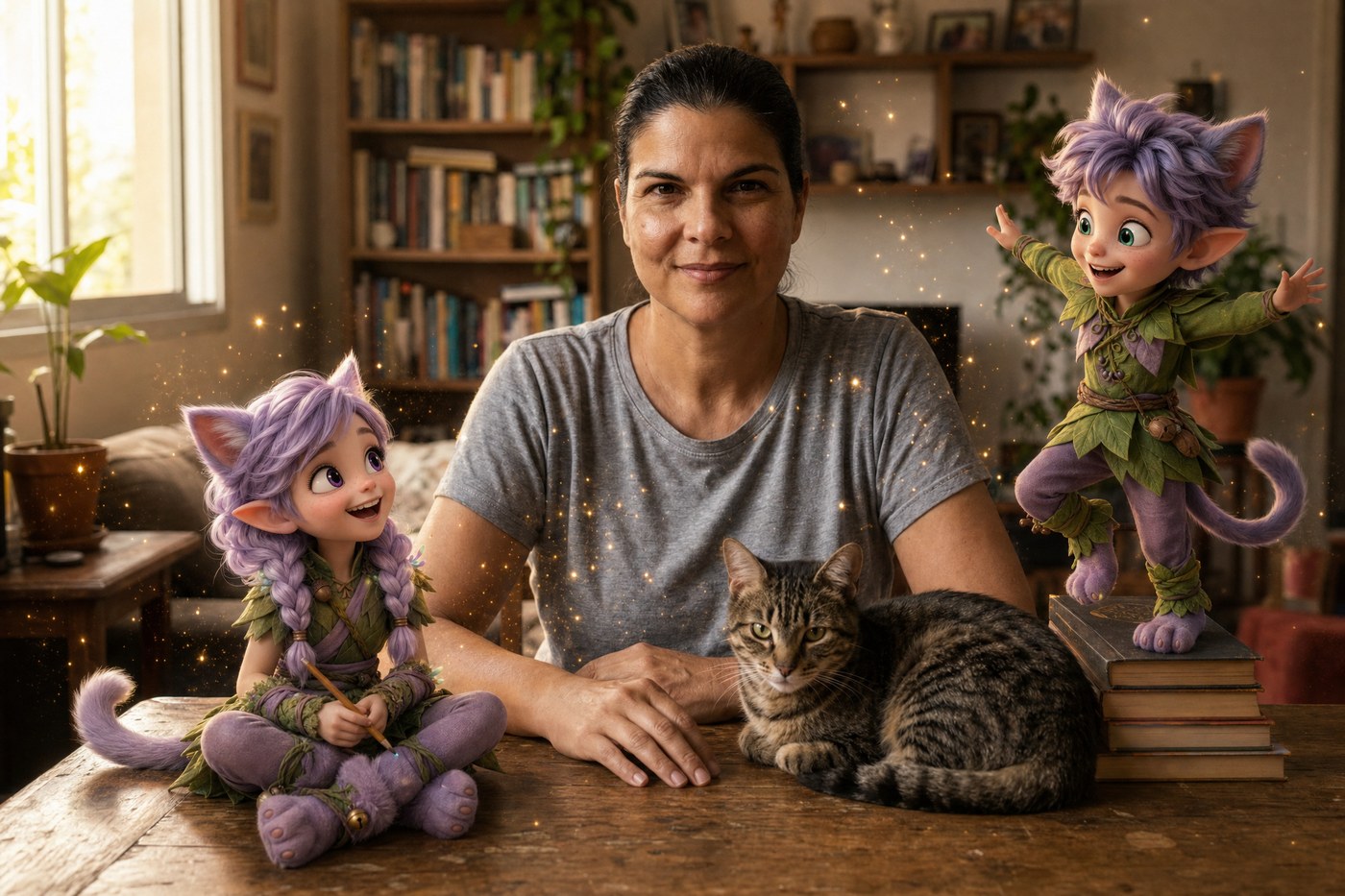
Kittelfdora began as a story about a forest between the stars, and the gentle creatures who found a home there. Deniz Arsan made that forest, after about twenty years of work for children, a craft magazine and a show on Turkish television among them. The About page tells the rest.
Read the About page →
The Lantern Post
Long reads on sleep, screens, boredom and feelings, with the research named. A picture book list sorted by the feeling your child is having rather than by reading level. Seasonal notes for the weeks ahead, and a letter from Deniz whenever there is something worth saying.
Open The Lantern Post →Good to know
Privacy, in plain words
The games here remember a few small settings in your own browser, like whether the sound is off, and the privacy page names every one of them. The one thing we hold is an email address, and only when a grown-up asks for the newsletter. Some pages carry a YouTube or Spotify player; when one loads, that company is contacted and its own privacy policy applies. That is written there too.
Read what we collect →For the classroom
The coloring pages print on plain paper, one picture per sheet, sorted by how fine the lines are rather than by age. Print as many copies as your class needs. The Print at Home section on that page is the part you want.
Open the coloring pages →Write to us
This inbox is for grown-ups, and a real person reads it. Questions, a mistake you spotted, a request for your classroom: all welcome. There is no form to fill in.
kids@kittelfdora.comPut a game on your own site
For teachers and bloggers: you’re welcome to put our games on your own site. Jigsaw Puzzles, Coloring Pages, Find the Differences, and Look and Remember each have a button that says Copy embed code, and we’ll add more games over time. Open one, copy the code, paste it into your page, and the game plays right there for your readers. It costs nothing and nobody has to sign in. All we ask is that you paste the code unchanged, so the small Kittelfdora Kids link under the game stays with it.
Open the Magic Playroom →What this is not
This is not a curriculum, and it does not replace reading together. There are no lesson plans here, no levels to finish, no badge at the end, and nothing that reports back to you on how your child did. It is a forest to visit for twenty minutes, and it is perfectly happy to be closed.